
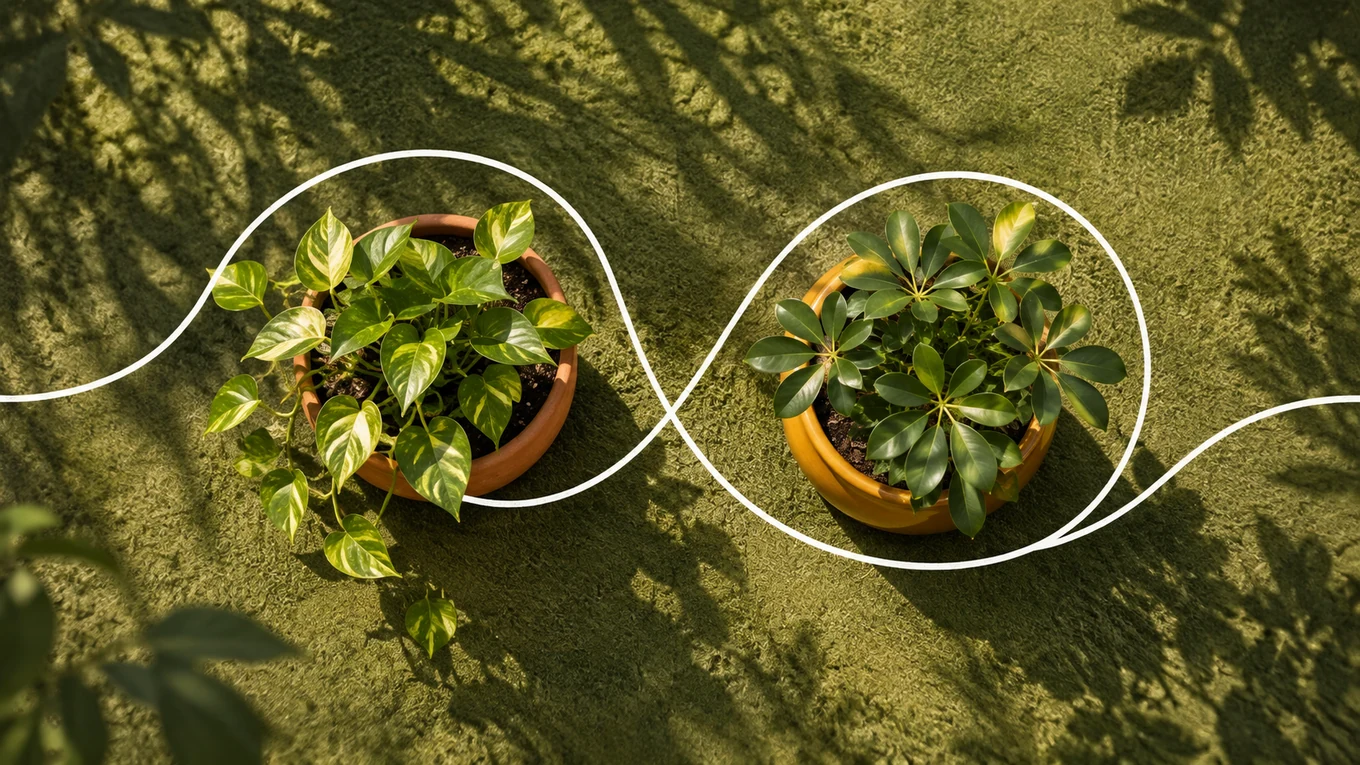
Attachment is a normal part of close relationships. It becomes worth exploring when fear of losing someone starts to shape your choices, boundaries or sense of self. Love and attachment are not two boxes that every relationship fits into; they can be present together.
Connection can feel steady or uncertain
Care can include trust, affection, respect and room for two separate people. When uncertainty takes over, the relationship may revolve around reassurance, checking or fear of distance. Neither a single anxious day nor a delayed message defines the whole relationship. Look at what happens over time.
Ask whether you can express a need without fearing punishment, spend time apart without constant alarm, and remain connected to your own interests and friendships. These questions can tell you more than trying to label a feeling as ‘real love’ or ‘only attachment’.
A relationship can matter deeply while still leaving room for your boundaries, choices and life outside it.
Notice the pattern without judging yourself
A fear of abandonment, difficulty trusting or the urge to seek repeated reassurance may be connected to earlier experiences. That does not make a person flawed, and it does not explain away harmful behaviour by a partner. Curiosity helps you separate what belongs to your own history from what is happening in the present.
A few questions for reflection
- When do I feel most secure or least secure with this person?
- Can I communicate a boundary and expect it to be respected?
- Am I changing important parts of myself to avoid losing the relationship?
When a conversation could help
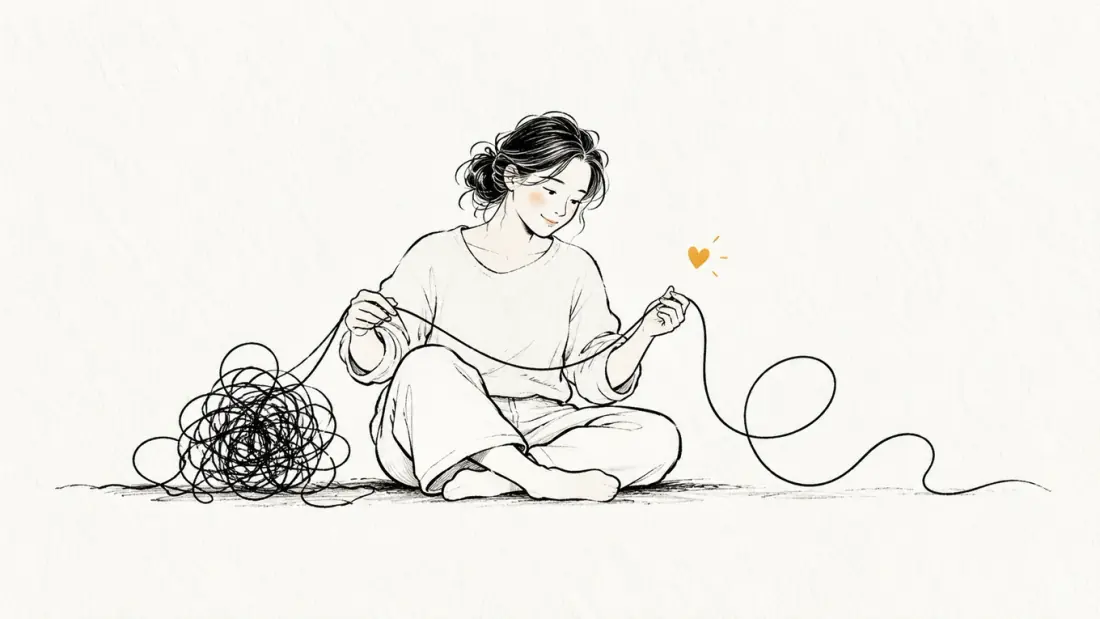
You do not need to diagnose an attachment style to talk about your experience. Individual counselling can help you understand how you respond to uncertainty and what you want from closeness. Couples counselling may help when both partners want to examine a shared pattern.
If a relationship involves control, intimidation or fear, prioritise individual support and safety rather than assuming joint counselling is the right first step.