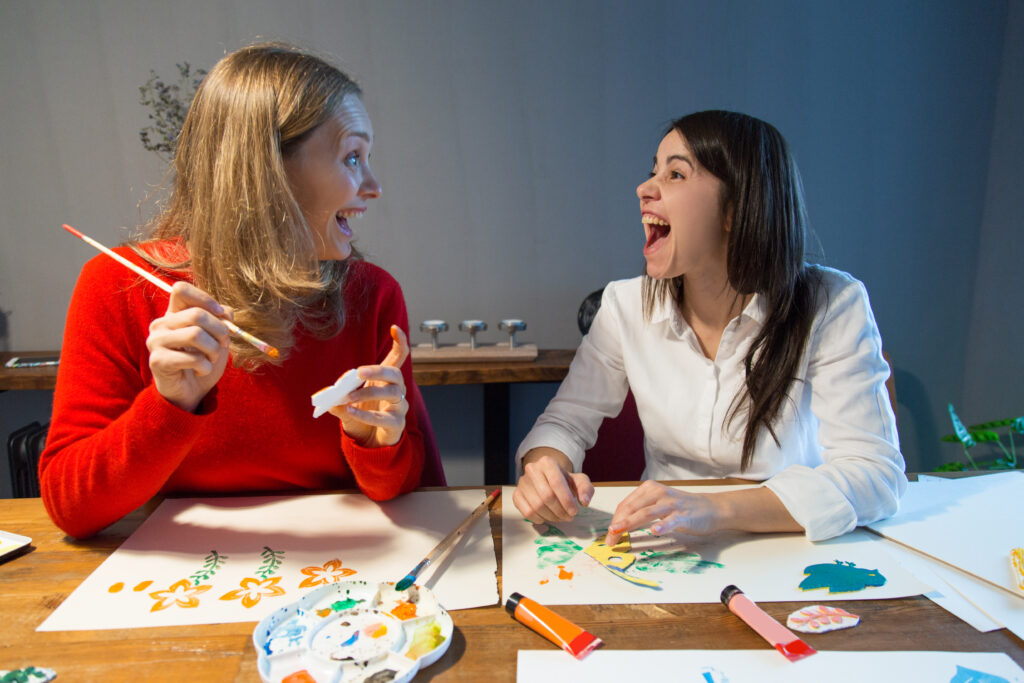
10 Surprising Facts About Art Therapy for Adults
10 Surprising Facts About Art Therapy for Adults Art therapy is dynamic and multi-faceted care in the approach towards mental […]
10 Surprising Facts About Art Therapy for Adults Art therapy is dynamic and multi-faceted care in the approach towards mental […]
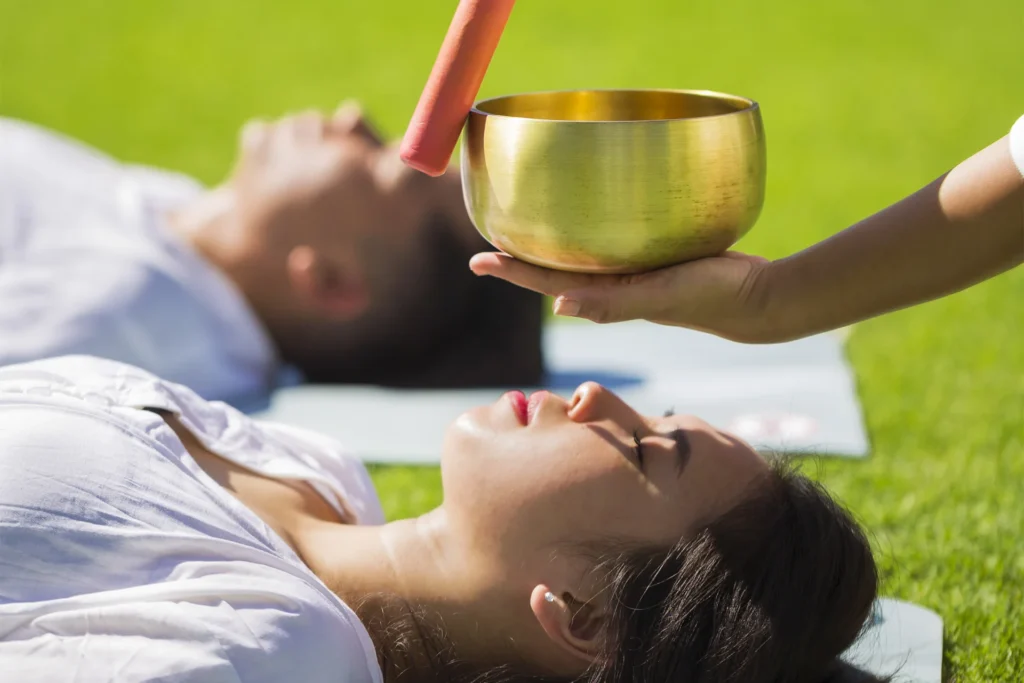
The Power of Sound Therapy In ancient Greece, when music was frequently utilized to treat or even cure mental illnesses,

In a quiet suburb at night, Jake, a burglar with experience, looked at houses to find an easy target. He found two houses next to each other, and when he tried the locks, the first one was secured with one average-sized lock. The second house had lots of locks on both the main and inner doors, making it more challenging.
Jake stood there contemplating which house would be a better option to break into. As anybody would assume, Jake decided to go for the easier option—the house next door.
He quickly opened the lock and sneaked inside without anyone noticing. Disappearing into the darkness, he left the heavily locked house untouched, keeping its secrets safe from the sleeping neighbourhood.
Quite like how Jake broke into the house with one lock, many people in our lives tend to break into our personal spaces or capacities and take advantage. Therefore, it’s essential to have multiple doors and secure locks to maintain healthy boundaries and in turn, a healthy mental well-being.
Boundaries serve as invisible lines that define the limits of what is acceptable and comfortable for the various aspects of life- be it relationships, work, or personal life. Our mental health and well-being thrives when protected by well-defined boundaries since it creates a sense of safety and provides necessary framework for emotional stability and resilience.
Boundaries in Relationships
In interpersonal relationships, boundaries guide individuals through the ups and downs of connections. It’s crucial for romantic partners to communicate their needs and expectations distinctly, to foster clear understanding and mutual respect. In terms of relationships with family, friends and relatives as well, establishing healthy boundaries ensures balance and reciprocity.

Boundaries at Work
The professional realm is a crucial sector where boundaries play a pivotal role in safeguarding mental well-being. It is essential to strike a balance between dedication and self-preservation. The fundamental steps to maintaining a healthy mindset at work are setting a realistic work schedule, learning to say ‘no’ when necessary and creating a distinct separation between work and personal life.
Priority to Self-care
These boundaries are not only meant for external environments but also extend inwards. Recognizing when to step back, gather emotional resources, and protect one’s own mental peace is a crucial part of boundary setting. It includes setting time for oneself, one’s own hobbies, and activities that bring joy.

Consequences of loose boundaries
A varied set of mental health challenges may begin to occur if one fails to establish and maintain healthy and appropriate boundaries. When external pressures are allowed to breach personal limits, serious concerns like anxiety, burnout, feeling of being overwhelmed may manifest. Recognizing the signs of boundary violations is important in addressing such challenges before they expand.
Assertive communication to set boundaries
One of the most valuable and effective ways to set boundaries is the skill of Assertiveness. It incorporates expressing one’s needs and desires while respecting others opinions. Being assertive involves the following traits–
Maintaining eye contact.
Clearly stating one’s needs and desires.
Having a confident body language.
Maintaining adequate tone of voice and appropriate speaking volume.
Patiently listening to others without interruption.
Learning assertiveness skills would empower oneself to navigate situations with confidence while having a positive impact on one’s own mental health. Here are some tips that one can follow to move towards being assertive:
Identify and prioritize one’s own needs, wants and desires.
Take responsibility for one’s own emotions and thoughts, and express them in a factual and calm manner.
Plan and think before expressing one’s own perspective. Frame words and sentences appropriately. Try beginning with “I feel…”
Say ‘no’ when required. One must feel free to say ‘no’ without lying about the reason. While doing so one can also offer an alternative solution.
Art of ‘I’ Statements
These statements turn feelings into verbal messages. They are a direct way to express feelings and describe the associated behavior situation. Additionally a direct explanation of the expected behaviour or situation can be added. It looks like the following:
I feel (emotion) when (describe behaviour/ situation) and I would like ( expected behaviour/ situation)
By using “I” statements, one can tackle and resolve situations appropriately while maintaining healthy boundaries and mental peace. Using these statements and keeping in mind the previously mentioned assertiveness tips shall help one to navigate difficult situations adequately.
In conclusion, the various complexities that come up in life can be managed by setting well-defined boundaries. Mental health should be prioritised by establishing emotional, time, material, interpersonal, and physical boundaries. Subsequently, self-care should be an on-going practices that paves way for a balanced life.

Queer Relationships: In the bustling city of Mumbai, amidst the vibrant tapestry of cultures and communities, two women found themselves

Every romantic relationship has a sense of love and feeling loved. But, what is love and 5 Love Languages? This
Psychodrama is a therapeutic approach that utilizes drama and role-playing to explore and understand personal issues. It was developed by
Journaling Is Your Secret Helper Happy Lab: Imagine your mind as a busy highway with lots of thoughts racing by.
Coping Mechanism for Creativity I often find myself thinking back to all the experiences or skills that I may have
Our mental well-being often ends up taking the back seat in today’s fast-paced and chaotic world. To work on it and push it towards enrichment, finding moments of peace and inner harmony becomes essential. A significant therapeutic tool that has gained attention in recent years for promoting mindfulness is the Mandala art.
It is based in the field of Art and Creativity, and involves drawing symmetrical patterns around a focal point. This activity paves a way for individuals to connect with their inner selves and feel grounded amidst the hustle and bustle of daily life.

The word “mandala” originates from the ancient Indian language of Sanskrit, and has a simple meaning, that is, “circle”. In the olden days, Mandalas were limited to the Hindu and Buddhist culture, where they were majorly used as spiritual symbols that signified ‘universe or wholeness’.
The centre represents ‘the self’ or a focal point of spiritual significance, while the overall circular design symbolises ‘unity, balance, and the cyclical nature of life’. Hence, the symmetrical geometric patterns carry profound symbolic meanings along with being visually appealing.
Coming to the concept of Mandalas under the light of psychotherapy and mindfulness, it is a powerful tool that is deeply meditative and therapeutic since it involves the act of creating. Whether drawn, painted, or created with various materials, the repetitive and deliberate nature of crafting a mandala engages the mind and encourages mindfulness. The activity shapes the individuals’ perspective to focus on the journey rather than the end result.
Apart from Mandalas being a pathway towards mindfulness, both have similar principles. These principles encourage living in the current moment, emphasising presence and awareness. Here are some principles common in them:
Concentration and Focus
When creating a Mandala, one requires to focus on their work of art and concentrate. From repeatedly drawing the symmetrical patterns to colouring in the intricate details demands attention. This helps the mind to focus on the present moment.
Stress reduction
The rhythmic movements and the soothing nature of colours in Mandalas, promote a calm and centred state of mind. The calmness in turn induces a sense of relaxation helping one to reduce their stress.
Expression
Since this activity involves creativity, it opens up doors for self-expression. It helps individuals to explore their emotions, thoughts and behaviour, and express them via drawing and colouring Mandalas. Overall, it provides an outlet for self-discovery and emotional release.
Using Mandalas as a way to cultivate mindfulness practices provides an accessible road towards inner peace and self-awareness. Whether as a form of stress relief or artistic expression, Mandalas allow individuals to achieve balance in their lives. Hence, one can readily consider picking up a pen or pencil or some colours and start creating mandalas to move towards a mindful self. Here are some points to remember when creating a Mandala:
Start from the centre point
This will serve as an anchor for your design.
Symmetry is key
By mirroring each pattern on both sides of the central point, a sense of balance in the overall piece is portrayed.
Embrace Imperfections
Perfection is not the goal here, one must let go of the need for precision when creating a Mandala.
Take your time
Allow yourself to create organically, since the therapeutic nature will only be upheld when it does not involve a deadline or time-limit.
Although these are some factors that one should keep in mind when creating a Mandala, there are no strict rules and regulations when it comes to creating mandalas. Since it allows one to freely explore and express their inner experiences it embraces a unique therapeutic quality. In the process of freely expressing oneself, they will tap into a state of mindfulness and relaxation.
Whether through deliberate strokes or a freestyle design creation, Mandalas push the person to the present moment. They readily experience a gateway into awareness and depths of their consciousness.
Therefore, Mandalas can be used as a way to cultivate mindfulness practices that provide an accessible road towards inner peace and self-awareness. The basic fusion of Mandalas and Mindfulness creates an enriching experience for individuals trying to be aware about the present moment.

An individual may experience intense grief, a challenging emotional state that can dominate one's thoughts and make it difficult, if not impossible, to focus on anything else. For some, the overwhelming nature of these emotions may lead them to suppress or mask their feelings, either intermittently or consistently.
Grief can often mirror the symptoms of depression, and it's not uncommon for individuals to develop depression in the aftermath of a significant loss. If coping with a major loss becomes overwhelming, seeking assistance from a healthcare professional, such as a doctor, is strongly advised.
In the immediate aftermath of a death, those left behind often grapple with shock, numbness, and denial, especially if the loss was unexpected. As the reality of the death sets in, feelings of intense sadness, emptiness, loneliness, anger, or guilt may emerge. These emotions can be painful, persistent, or overwhelming, often coming in waves that may temporarily recede before resurfacing. However, with time, these emotions tend to gradually diminish.
Responses to grief are highly individualized, with common feelings including sadness, shock, denial, numbness, anger, guilt, blame, and sometimes even relief. Grieving individuals may exhibit different behaviours than usual, experiencing difficulty concentrating, withdrawal from regular activities, engaging in substance use, or having thoughts of self-harm or an inability to carry on.
Grief can take a toll on physical health, leading to exhaustion and weakened immune systems, making individuals more susceptible to illness. It can impact appetite, sleep, and contribute to various physical discomforts such as headaches and body aches.
On a spiritual level, individuals may have dreams about their loved ones, seeking meaning and reevaluating their spiritual beliefs in the wake of loss.
While some people experience post-traumatic growth, finding wisdom, maturity, and new meaning in life after grief, others may struggle with complicated grief. Prolonged grief, also known as complex or complicated grief, is an enduring form of intense grief that makes it challenging for individuals to cope with the loss. Rather than progressing toward a more positive outlook, thoughts may become fixated in a dark, sorrowful place.
Those experiencing prolonged grief may feel emotionally paralyzed, unable to envision a future beyond the pain. Characteristics of prolonged grief include confusion, overwhelming sadness, extreme thoughts or behaviours, and an enduring longing for the past. Individuals in this state may find themselves trapped in a cycle of preoccupation with memories of the deceased, making the future seem bleak and despairing.
How to Take Care of the Physical Side of Grief?
Make Conscious Use of your Feelings.
When you are mourning, your first priority is expressing your feelings. It's been believed that you cannot heal if you are emotionless. As a result, it's critical to allow yourself to experience your emotions. Engage in self-kindness frequently. You don't have to control this part of your life, particularly while you're going through a grieving season. It's up to you how you choose to communicate your feelings. Another excellent way to connect with your emotions is to join a support group at a nearby community or religious centre.
Engage in Daily Mindful Movement
Engaging in daily physical activity helps alleviate the somatic suffering associated with bereavement. Exercises that target the mind and body, such as yoga, tai chi, or qigong, can be especially beneficial in calming the body and counteracting the negative effects of stress and anxiety. According to research, various types of exercise reduce the activation of genes that cause inflammation in the body, which has a molecular effect (Bui, 2017).
Engage in Mindfulness
Developing a meditation routine, engaging in breathwork, or going on an outdoor stroll or walk are some other suggestions for mindful movement. These pursuits help reduce anxiety, melancholy, and self-pity. Ask a friend to help, or sign up for a fitness class.
How to Take Care of Yourself while Grieving?
Rely on Friends and Family
Seek support from friends and family during this challenging time. Even if you typically pride yourself on being strong and independent, now is the moment to rely on those who care about you. Instead of avoiding them, bring your friends and loved ones closer, spend quality face-to-face time with them, and be open to the assistance they offer. Often, people genuinely want to help but may not know how, so communicate your needs—whether it's a comforting presence, a listening ear, or simply someone to spend time with. If you feel that you lack regular in-person connections, remember that it's never too late to cultivate new friendships.
Acknowledge your Feelings
Confront your emotions head-on. While attempting to suppress grief is an option, it's not a sustainable one. Healing requires acknowledging the pain. Avoiding feelings of sadness and loss merely extends the grieving process. Unresolved grief may contribute to complications such as depression, anxiety, substance abuse, and health issues.
Engage in Creativity
Express your emotions in a tangible or creative manner. Even if discussing your loss with others is challenging, consider documenting your thoughts and feelings in a journal. Alternatively, channel your emotions into creative outlets like creating a scrapbook or engaging in volunteer work related to your loss.
Engage in Hobbies and Activities
Continue to engage in your hobbies and interests. Returning to familiar activities that bring joy and foster connections can provide comfort and assist in coming to terms with your loss, facilitating the grieving process.
Grief can also often be compared to a silent companion that emerges in the aftermath of loss. It must not be confused for weakness, but rather a testament to the depth of our connections with those around us. Another way to understand the physical side of grief in a more relatable manner is as follows:
Grief as a Roller Coaster
Grief is like a roller coaster, taking lots of turns, ups and downs through various angles, nooks and corners. It manifests as sadness, the ache of loss, anger, the injustice that comes with separation, guilt, and the weight of unanswered questions.
If you experience grief this way, you can do an emotional check in with yourself.Take a moment to reflect on your emotional state. What turns, ups and downs and angles are you grieving today? Acknowledge them without judgement; each emotion is a valid expression of your unique journey.
Grief as a Canvas
Often our bodies become a canvas upon which grief paints its physical manifestations. It may appear as a lump in the throat, a heaviness in the chest, or the pit in the stomach. Fatigue, changes in appetite, and disrupted sleep patterns are the more common colours of the canvas and are reminders that our emotional and physical well-being are interconnected.
In order to relieve some of these feelings, a body scan activity can be done where one focuses attention on each part of the body. Any sensations and tensions that come up can be noticed. This activity can help be more attuned with your body.
Grief as a Game
Grief can often be a mind game where a mental dialogue is constantly going on. This game can also involve memories. It might be the replaying of shared moments, the negotiation with "what ifs," or the silent conversations with those we’ve lost. The mind becomes a storyteller, weaving narratives of love, loss, and the enduring legacy of those we hold dear.
To conclude, its important to keep in mind that everyone's grief is personal and subjective. There is no one particular way to heal that works for everyone. It is about doing what works for you. No one should tell you to move on or get over it. Allow yourself to feel without any judgment or sabotage. It's acceptable to experience anger, to express your emotions, to cry or not to cry. Similarly, it's permissible to find moments of joy, to laugh, and to let go when you feel ready. Heal at your own time.