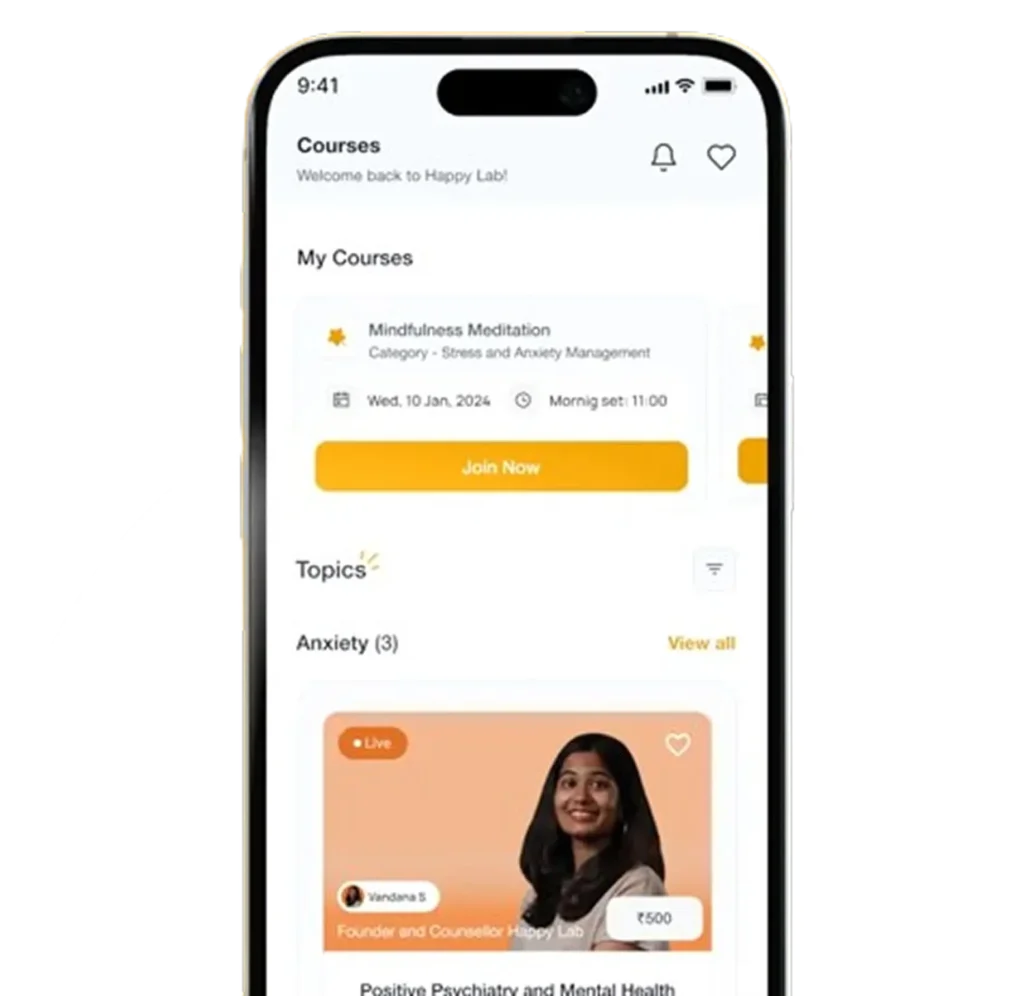
Trader Mindset vs Gambler – Financial Counseling for Traders in India
Let’s be honest for a second.
Have you ever taken a trade knowing deep inside… this is not part of my plan?
Or held a losing position hoping it would magically reverse?
If yes, you’re not alone.
Most people enter the market thinking they are “trading,” but in reality, they are unknowingly gambling with money. The line between a trader and a gambler is thinner than you think—and it’s not defined by charts or indicators.
It’s defined by your mindset.
In this guide, we’ll break down the real difference between a trading mindset vs gambler mindset, understand trader psychology, and explore how Happy Lab – counselling therapy in India can help you build emotional control and financial clarity.
Understanding the Trading Mindset
A trading mindset is not about making money fast—it’s about making decisions right.
Imagine you are running a business. You wouldn’t randomly spend money, right? Trading works the same way.
A strong trader mindset includes:
- Patience – waiting for the right setup
- Discipline – following rules even when it’s hard
- Clarity – knowing why you’re entering a trade
- Acceptance – losses are part of the game
A trader thinks like a risk manager first, profit maker second.
Understanding the Gambler Mindset
Now let’s flip the coin.
A gambler mindset is driven by:
- Excitement
- Impulse
- Hope
There’s no structure. No planning. Just a desire to “win big.”
You’ll often hear:
- “This stock looks strong, let’s buy.”
- “Market can’t go lower from here.”
- “I’ll recover losses in the next trade.”
That’s not trading. That’s emotional decision-making.
Trader vs Gambler: Core Differences
Here’s a clear comparison:
Aspect | Trader Mindset | Gambler Mindset |
Decision | Data-driven | Emotion-driven |
Risk | Controlled | Unlimited |
Goal | Consistency | Quick profit |
Reaction to Loss | Accept & learn | Revenge trade |
Planning | Structured | Random |
Simple analogy:
A trader is like a doctor diagnosing before treatment.
A gambler is like someone taking medicine without knowing the illness.
Why Trader Psychology is Everything
Let me ask you something:
Why do two traders using the same strategy get different results?
The answer is trader psychology.
Your mindset affects:
- Entry timing
- Exit discipline
- Risk management
- Emotional control
Even the best strategy fails in the hands of someone with poor psychology.
Emotional Triggers That Destroy Traders
Let’s break down the real enemies:
1. Fear
You exit early and miss profits.
2. Greed
You hold too long and lose gains.
3. FOMO (Fear of Missing Out)
You enter late and get trapped.
4. Revenge Trading
You try to recover losses quickly.
5. Overconfidence
You ignore risk after a few wins.
These emotions slowly turn a trader into a gambler.
The Discipline Factor
Discipline is what separates professionals from amateurs.
Without discipline:
- You skip your rules
- You increase lot size randomly
- You ignore stop loss
With discipline:
- You follow your system strictly
- You trade less but better
- You stay consistent
Discipline is boring—but profitable.
Risk Management Explained Simply
Let’s keep it simple.
A trader asks:
“How much can I lose?”
A gambler asks:
“How much can I make?”
Basic Risk Rules for Traders:
Risk only 1–2% per trade
Always use stop loss
Never over-leverage
Protect capital first
Losses: The Real Test of a Trader
Anyone can make money in a bull market.
But what happens when you lose?
Trader Response:
Accepts loss
Reviews mistakes
Moves on
Gambler Response:
Doubles position
Gets emotional
Blames market
Losses don’t define you—your reaction does.
Brain Psychology in Trading Decisions
Your brain is wired to:
- Avoid pain (losses)
- Seek pleasure (profits)
This creates bias like:
- Loss aversion
- Overconfidence bias
- Recency bias
Understanding these helps you improve your trader psychology.
Warning Signs of Gambling Behavior
Be honest with yourself.
Checklist:
Trading without a plan
Increasing risk after losses
Following tips blindly
Feeling stress or anxiety
Checking P&L constantly
If you relate to these, you need to reset your mindset.
Why Most Traders Fail in India
Let’s talk reality.
Top Reasons:
Lack of proper education
Social media influence
Get-rich-quick mindset
No emotional control
No mentorship or counseling
Most people focus on strategy—but ignore psychology.
Role of Financial Counseling
Here’s something people don’t talk about enough.
Trading is mental before technical.
Financial counseling helps you:
- Understand your behavior
- Control impulses
- Build discipline
- Reduce stress
It’s like having a mental fitness trainer for trading.
Happy Lab – Counselling Therapy in India
If you’re serious about transforming your trading journey, Happy Lab – counselling therapy in India can be a game changer.
Why Happy Lab stands out:
Expert financial counselling tailored for traders
Focus on emotional and behavioral patterns
Helps overcome fear, greed, and impulsive decisions
Provides structured guidance for mental clarity
Who should consider it?
Beginners struggling with losses
Traders facing emotional stress
Investors making impulsive decisions
Anyone looking to build a strong trading mindset
Instead of just learning charts, you learn how to think and act like a professional trader.
How to Build a Strong Trader Mindset
Let’s get practical.
Step-by-Step Process:
Define Your Strategy
Entry, exit, stop loss
Create a Trading Plan
No plan = no trade
Journal Every Trade
Track mistakes and patterns
Control Risk
Protect capital first
Work on Emotions
Practice patience and discipline
Take Breaks
Avoid burnout
Seek Guidance
Financial counseling helps
Action Plan for Long-Term Trading Success
Here’s a structured roadmap:
Daily Routine:
Market analysis
Wait for setups
Trade with discipline
Review performance
Weekly Routine:
Analyze mistakes
Improve strategy
Adjust risk
Monthly Routine:
Evaluate overall performance
Focus on consistency, not profits
Conclusion
At the end of the day, trading is not about charts—it’s about you.
Your thoughts, reactions & discipline.
Let’s summarize everything clearly:
Trader vs Gambler – Final Comparison
Factor | Trader | Gambler |
Mindset | Logical | Emotional |
Goal | Long-term wealth | Quick money |
Risk | Controlled | High |
Behavior | Disciplined | Impulsive |
Key Takeaways (Must Remember)
- Trading psychology is built, not born
- Trader psychology decides your success more than strategy
- Risk management is non-negotiable
- Emotions are your biggest enemy
- Consistency beats excitement every time
Practical Action Points
- Stop trading without a plan
- Limit your risk per trade
- Accept losses as part of the journey
- Avoid revenge trading
- Focus on long-term growth
Why You Should Consider Financial Counseling
- Helps you identify emotional patterns
- Improves decision-making clarity
- Builds discipline and patience
- Reduces trading stress
Why Choose Happy Lab – Counselling Therapy in India
- Personalized support for traders
- Focus on real behavioral change
- Helps shift from gambler mindset → trader mindset
- Ideal for beginners and experienced traders
Final Thought:
The market doesn’t care how badly you want to win.
It rewards only those who think clearly and act consistently.
If you truly want to grow, don’t just upgrade your strategy—upgrade your mindset with the right support like Happy Lab – financial counselling.
Also Read : Workplace Challenges: Workplace Challenges & Corporate Counseling Benefits – Happy Lab
FAQ'S
What is a trading mindset?
A trading mindset is a disciplined and logical approach to trading that focuses on risk management, consistency, and long-term growth.
How is trader psychology different from strategy?
Strategy tells you what to do, but trader psychology determines whether you actually follow it.
Can financial counseling improve trading performance?
Yes, it helps control emotions, improve discipline, and make better decisions.
What are the signs of gambling in trading?
Overtrading, no risk management, emotional decisions, and chasing losses are key signs.
Why is Happy Lab - counselling therapy in India recommended for traders?
It provides expert guidance to improve mindset, emotional control, and long-term trading discipline.